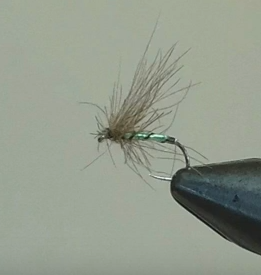

The hair on the left is from a deer that was killed during the winter. The thick, dense hairs are ideal for spinning. The hair on the right was taken from a deer killed during the summer in Norway, although you’ll find samples of similar material in many American fly shops. The short, straight, stiff hairs are ideal for fashioning the wings and tails on dry flies.
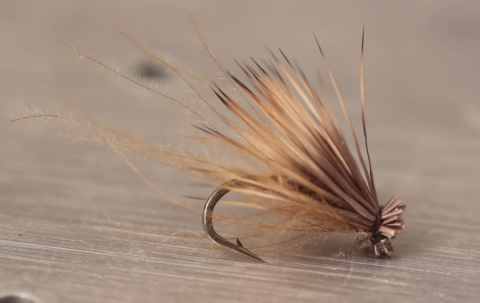
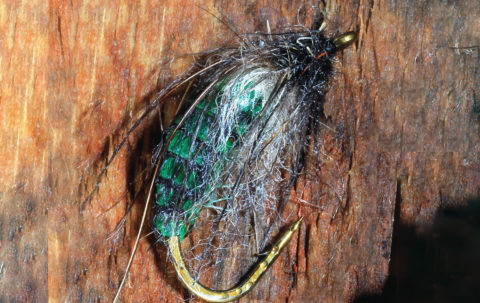
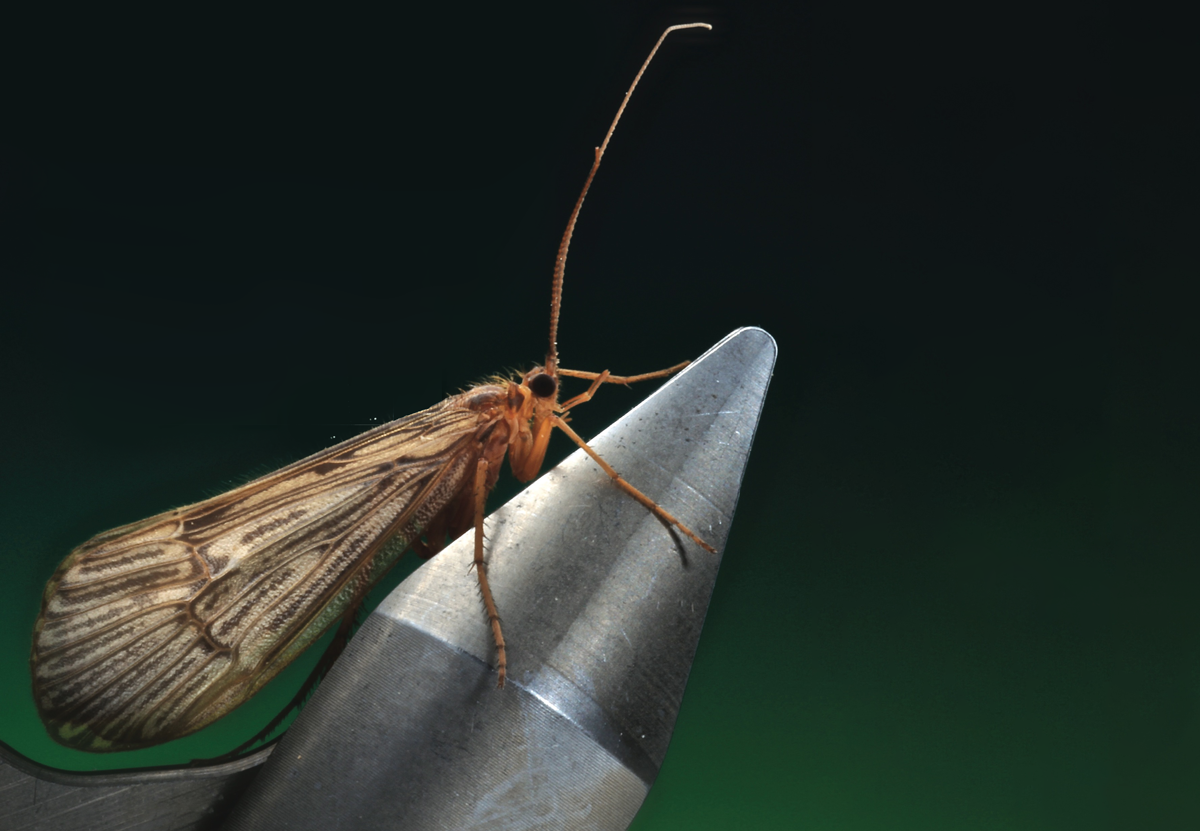
In addition to tying the Stimulator, we will also make a pattern called the G&H Sedge. This fly was first published in John Goddard’s book titled The Super Flies of Stillwater. The G&H Sedge, which stands for the Goddard & Henry Caddis, is a modern classic developed by John Goddard and a well-known British angler named Cliff Henry.
The Stimulator and G&H Sedge are two patterns you must add to your fly box. They are versatile imitations of stoneflies, caddisflies, and even grasshoppers.
G&H Sedge
HOOK: Long-shank dry-fl y hook, sizes 12 to 6.
THREAD: Fine gel spun.
BODY: Late-season deer hair, natural or dyed brown.
HACKLE: Badger or brown.
Tying the G&H Sedge
Barry Clarke is a regular contributor to this magazine. Follow his terrific tying photos and instructions, and you will learn to make better flies that catch fish. To see more photos of his flies and much more, check his blog, www.thefeatherbender.com. Barry lives in Norway.