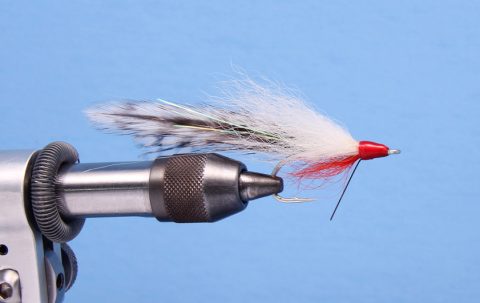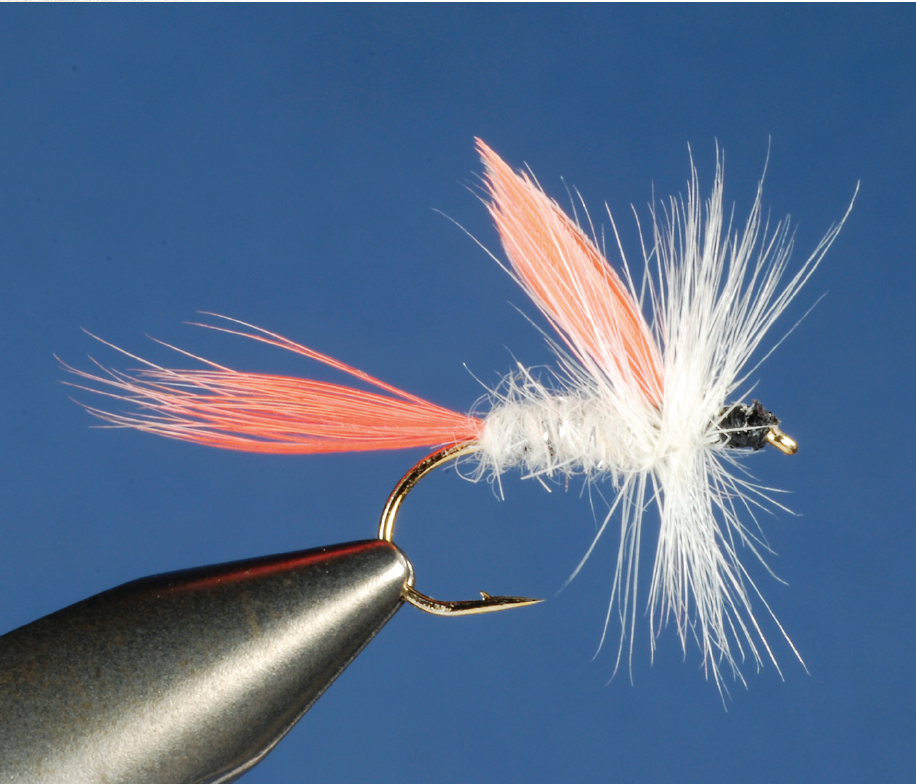
Wulff ’s series of dry flies inspired his Adirondack patterns. He realized the rough-and-tumbling pocket water in streams like the West Branch of the Ausable required far sturdier and higher floating flies than typical Catskill patterns. He engineered the Wulff dry flies in 1931, using bucktail for the wings and tails because of the material’s high-floating qualities; his friend, Dan Bailey, chose the name for these patterns.
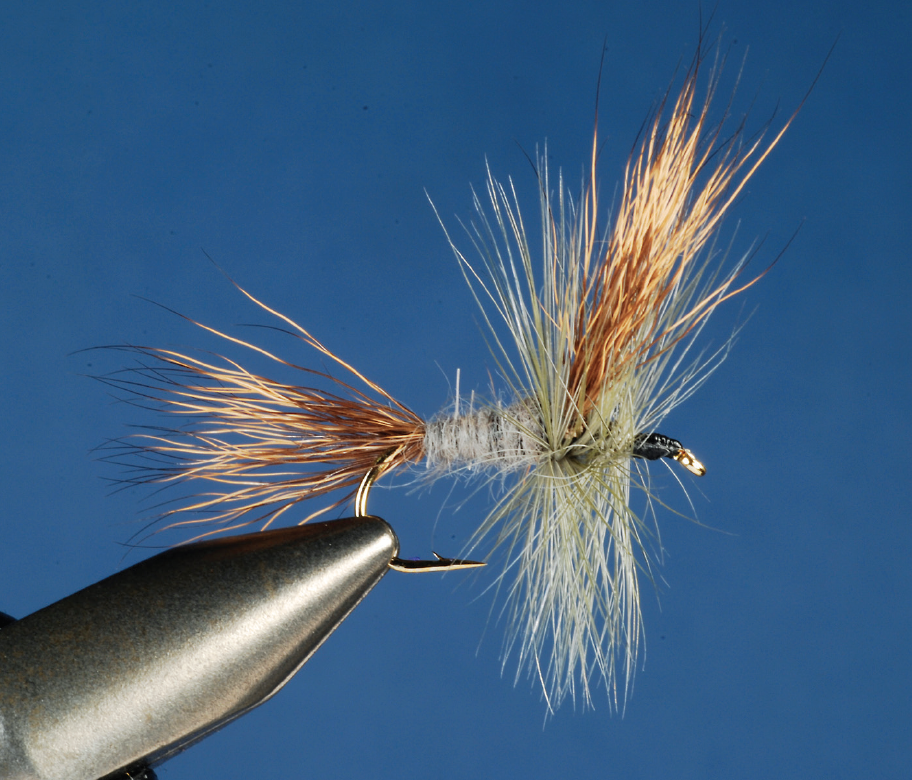
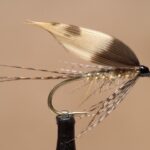
GRAY WULFF – LEE WULFF
Hook: 1X-long dry-fly hook, sizes 16 to 12.
Thread: Black 8/0 (70 denier).
Tail: Brown bucktail.
Body: Gray Angora wool.
Wing: Brown bucktail.
Hackle: Gray.
Wulff fished the Ausable extensively at that time. His first creation was the Gray Wulff, which was soon followed by the White Wulff and the popular Royal Wulff. He tied his flies hook in hand, without the aid of a vise.
Lee Wulff created many patterns, but he is best known for the high-floating dry flies designed for fishing the Adirondacks.
PERRY (PERCIVAL) EHLERS
As I researched my book about these great Adirondack anglers, delving into the life of Perry Ehlers was by far the most difficult. Ehlers was a life-long bachelor until he died in the 1960s, and lived a simple life, mostly in the small North River cabin that housed his fly shop on the shore of the Hudson River. The only time Ehlers moved from North River was to serve as a ski trooper in the 87th Infantry Mountain Regiment during World War II.

CHAMBERS FLY – PERRY EHLERS
Hook: Standard streamer hook, size 6 or 4.
Thread: Black 6/0 (140 denier).
Body: Flat silver tinsel.
Rib: Oval gold tinsel.
Wing: Yellow calf tail and gray squirrel tail.
Shoulder: Mallard breast feather.
Cheek: Jungle cock.
Eyes: Green and black paint.
Perry Ehlers made his living as a fly tier, and he mentored another Adirondack fly tying great, Ed Bendl. Ehlers tied and sold thousands of flies each year. He had some notoriety as an Adirondack fly tier and angler, but never really rose to fame, probably because he didn’t leave a trail of books or magazine articles. Ehlers was once featured in New York State Conservationist magazine, and in the 1950s, he was a frequent headliner at outdoors shows where he tied flies next to the Darbees, Art Flick, and Lee Wulff.
In spite of the thousands of flies he tied, Ehlers is known today for only one pattern: the Chambers. Ehlers named the fly for Robert William Chambers, a famous American writer with a summer home in Broadalbin, at the foot of Adirondack Park. The Chambers is a streamer designed to fish deep for brown trout in big rivers like the Upper Hudson near Ehlers’s fly shop.
ED BENDL
I never made a trip to fish the Adirondacks without stopping at a little fly shop near Northville, New York. The building is still there, but the shop is gone. Ed’s Fly Shop was a place to drop in and buy a few things, but more importantly, I went there to receive mentoring from Ed Bendl. To this day, whenever I tie anything with blue dun hackle, I think of Bendl; the neck I bought from him still has the faint odor of his cigars.

ED’S SPECIAL – ED BENDL
Trailing kook: Salmon hook, size 8.
Main hook: Streamer hook, size 6.
Thread: Black 6/0 (140 denier).
Body: Silver braided tinsel.
Wing: Red bucktail, white bucktail, grizzly saddle hackle, and peacock herl.
Beard: Red bucktail.
Bendl was a prolific fly tier, producing 15,000 flies per year to satisfy local anglers as well as mail-order customers living throughout the United States and Canada. Ed’s fly-tying mentor, Perry Ehlers, taught him to use stiffer hackle and make his flies more rugged than typical Catskill patterns.

MARGO SMELT – ED BENDL
Trailing hook: Salmon hook, size 8.
Main hook: Streamer hook, size 6.
Thread: Black 6/0 (140 denier).
Tail: Red goose.
Body: Silver braided tinsel.
Wing: White bucktail, bright yellow bucktail, bright cerise bucktail, and peacock herl.
Cheeks: Silver pheasant.
Beard: Red bucktail.
Bendl created a number of original flies, but is best known for his tandem streamers. He fished lakes in the Adirondacks for brown trout and landlocked salmon in the spring and fall, and the tandem streamer patterns he produced were very effective. He also created a nymph called the Adirondack Nymph, and a dry fly called the SkipJack. On the last page of his memoir, Bendl gave thanks for his family and vividly described an Adirondack camp in the great beyond, including fresh-caught brook trout frying over a fire.
FRANCIS (FRAN) BETTERS
Francis Betters’ Adirondack Sport Shop, on the West Branch of the Ausable, was a favorite stopping point for anglers, including President Jimmy Carter. Betters had dreamed of becoming an engineer and building structures in far off places, but as a young man, he was in a very serious automobile accident. Handicapped for life, he settled in his home near Wilmington, New York, and made a living from fly fishing.

HAYSTACK – FRAN BETTERS
Hook: Mustad 9671, size 16 or 14.
Thread: Hot orange 8/0 (70 denier).
Tail: Deer hair.
Wing: Large bunch of deer hair.
Body: Australian opossum or muskrat dubbing.
Betters’s father did some guiding, including for famous anglers such as Ray Bergman. Fran’s mother taught him how to tie flies, and by the early age of eight, he was tying the flies for his father’s clients. He eventually created his own patterns for matching the specific fishing situations he encountered on the West Branch, including the Haystack, Usual, and Ausable Wulff. Betters authored several books and magazine articles, including Fran Betters’ Fly Fishing-Fly Tying and Pattern Guide; this book was one of his best sellers.
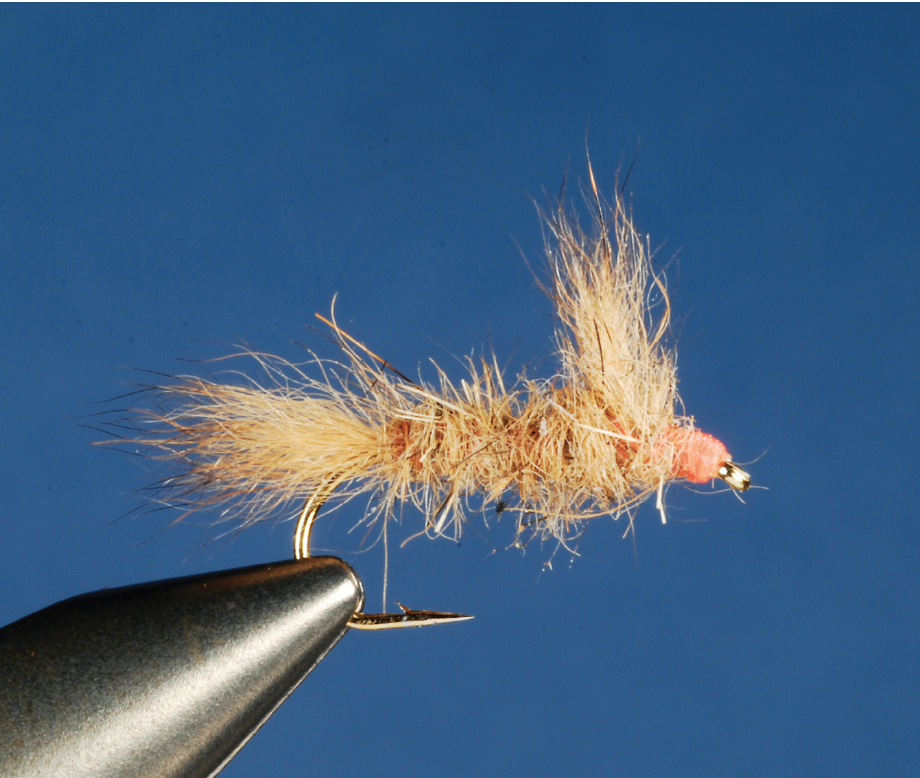
THE USUAL – FRAN BETTERS
Hook: Mustad 94840 or 94842, size 16 or 14.
Thread: Hot orange 6/0 (140 denier).
Tail: Snowshoe rabbit foot hair or woodchuck fur.
Body: Underfur from the rabbit foot hair.
Wing: Large bunch of snowshoe rabbit foot hair.
Betters passed away some years ago, and his ashes were spread into the waters of his beloved West Branch. As his longtime friend and fly tier Bob Mead describes the scene, “We all went out on the bridge at his house and we spread his ashes on the river. As the ashes floated downstream a bit, we looked up, and there was a rainbow.” A handful of fly shops still serve anglers visiting the area. Some of the patterns being created today will survive the test of time, and more great fly tiers will make their way into the history of New York’s Adirondack Mountains.
Robert Streeter is a retired game warden. He now spends his time hunting and fishing in the Adirondack Mountains. This is his first contribution to the magazine.