“We won’t own the companies in Nepal,” he explained. “We’ll set them up as co-ops, and train the people who work for us to be entrepreneurs and business owners. This gives them life skills beyond just tying flies or working in a fly factory. And they can earn more money.
“The average tier in the fly tying industry makes less than four dollars a day. A livable income in Nepal, based on a six-day workweek, is seven dollars a day. With us, our employees are able to make fifteen dollars a day. From our side of the business, we tamp down the margins, and we handle the expenses of getting materials in and finished products out of Nepal. We handle the sales and distribution, get them the right materials and designs, and tell their story. They basically work for us as contractors.
“We have partnered with an apparel company in Nepal who has a warehouse; that has helped. The tiers get a piece rate plus a share of the profits of the co-op. We are planning to have multiple co-ops. The ideal co-op size is about fifteen people. We’re not looking to employ two hundred people in one location; we want to create several co-ops throughout Nepal. That’s how you can impact the lives and families of more people throughout the country.”
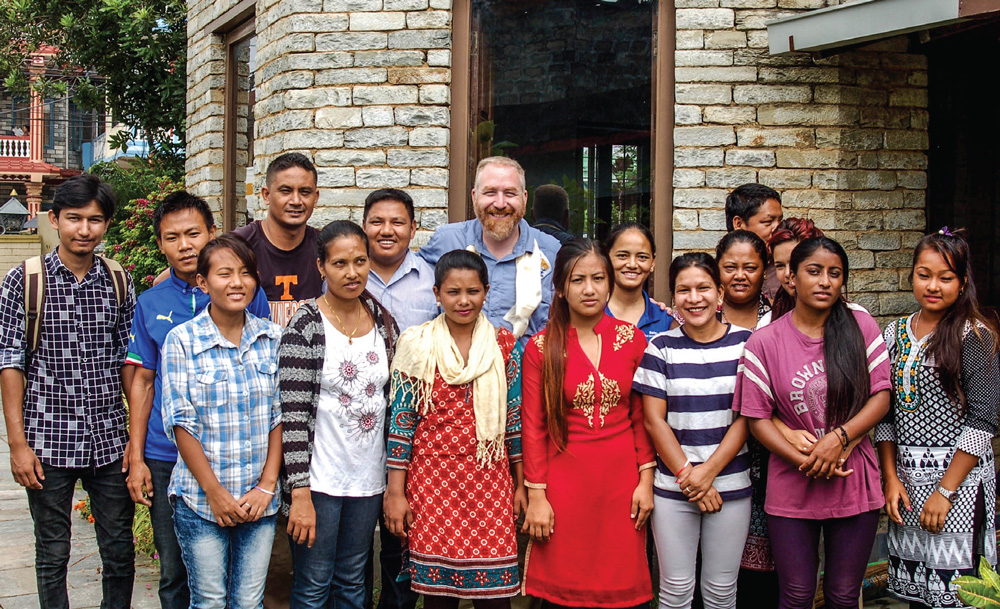
Fair Flies is in the start-up phase, but Jeff has plans for growth.
“The original nine employees have formed a co-op in Pokahra, Nepal. They work in the same location. A manager handles scheduling and those sorts of issues, there are employees who handle quality control, and then there are those who make the products. So far, we have nine people working for us, and I am leaving for Nepal with plans to hire about an additional thirty people. But we’re starting from scratch, from getting materials into the country, and taking the flies and brushes out.”
Is it hard to find employees?
“That’s the easy part: everybody is re – lated to everybody. It’s a small country, and it is easy to find the target people we want to help. You just have to get the word out, and since we’re paying more than twice the daily salary, it’s easy to find employees.”
Is it hard working in Nepal?
“We started in Kenya, but that is a very difficult country to work in, not that Nepal is much easier. It’s very challenging. They have a different way of thinking that we don’t understand. Everybody is wondering what’s in it for them, but we have never paid a bribe to anyone. It’s not that I haven’t taken people out to dinner, but we don’t work under the table; everything is on top of the table. We work with the local governments, and it’s going fairly well. They are excited that we are creating local jobs and not taking their people out the country.”
Fair Flies Is About More Than Flies
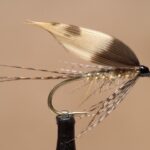
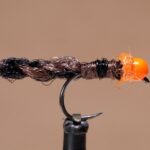
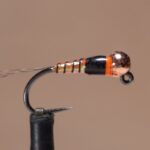
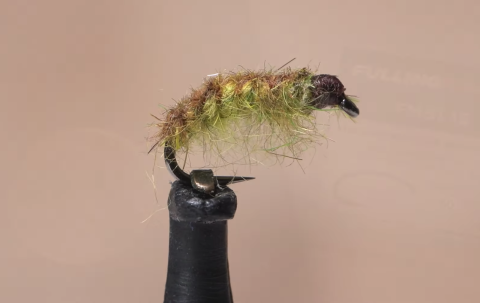
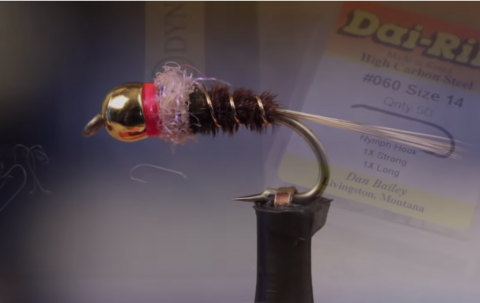
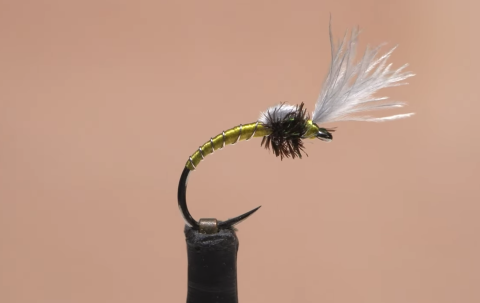
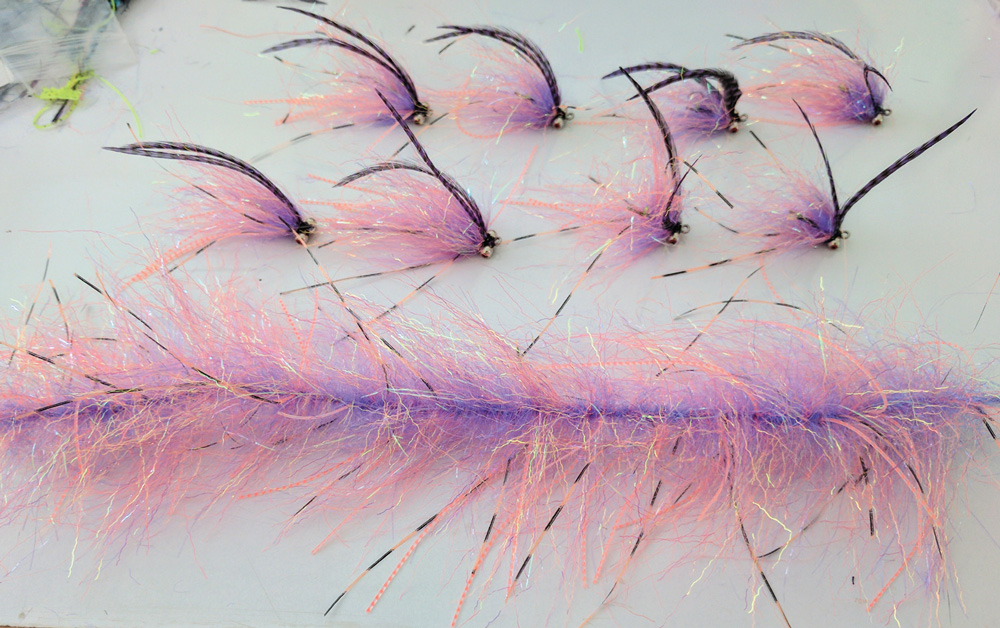
Flip through the pages of this magazine; they contain just a very tiny fraction of all the fly patterns in existence. Fair Flies is producing steelhead flies and dubbing brushes, which seems like a very limited line of products. I asked Jeff how he settled on these specific items.
“We started out doing just flies, but the number of patterns is overwhelming. If you look at the larger commercial fly tying companies, they manage thousands of patterns and sizes, and that’s just too much. Fortunately, Olympic Peninsula Skagit Tactics, in Seattle, Washington, asked us to work with them. They do the composite-loop style of tying for all of their flies.
It’s very cool to wrap all of your materials at the same time, but it is also a pain in the neck to do. I thought we might be able to do the same type of tying using brushes, and they told us to try and figure it out. So, we did, and I thought the brushes might be more valuable than the actual flies. “We have designed our brushes so that you can tie an entire fly with only one wrap of the brush. One of these brushes contains all of the rubber legs, flash material, dubbing, and whatever you need to tie the fly. We are making these in the most popular colors, and we’re concentrating on good action in the water. We are beginning to pick up some customers for these brushes, and of course we have the flies. Right now we are specializing in supplying steelhead flies, but the brushes also work for tying steelhead, salmon, pike, and saltwater flies. We have a growing list of fish species that have been caught on flies made using our brushes. Some very big brands are starting to purchase our flies and brushes. This is really starting to take off, and it is becoming a question of ramping up production.”
I love my job, but Jeff Coffey is passionate about his.
“We started with the concept of helping people earn a livable wage while enjoying our passion. Fly fishing is full of passion: we’re passionate about fish, we’re passionate about our gear, and we’re passionate about taking out dams and other conservation efforts. We spend a lot of money doing all these things, and from a consumer perspective, our buying power can make a significant difference. We simply chose tying flies as our vehicle for making a positive impact on people’s lives.
\
“It certainly hasn’t been easy. We’re learning as we go, and sometimes it feels like we’re drinking from a fire hydrant. If we had gone into some other country and said we wanted to open just another fly factory and would pay a little more, it would have been a whole lot easier. But that wasn’t the point. The idea that we are selling flies, or that we are in the fly fishing industry, is secondary to what we’re trying to accomplish. We are trying to transform lives. Being able to do this in the fly fishing industry is just icing on the cake.”
To learn more about Fair Flies, please go to www.fairflies.com.
David Klausmeyer is the editor of this magazine. In addition to writing all those magazine and newspaper articles, David has also written about a dozen fly fishing and tying books, and he was the recipient of the Catskill Fly Fishing Center and Museum’s Golden Hook Award.