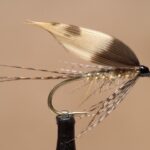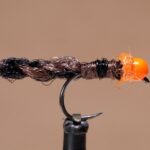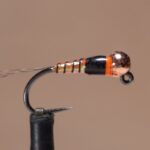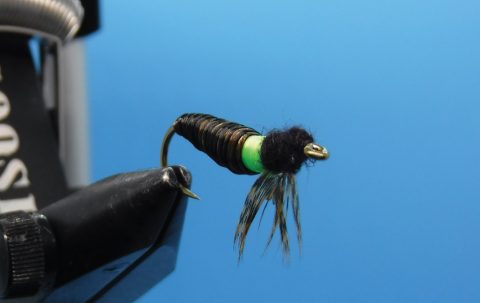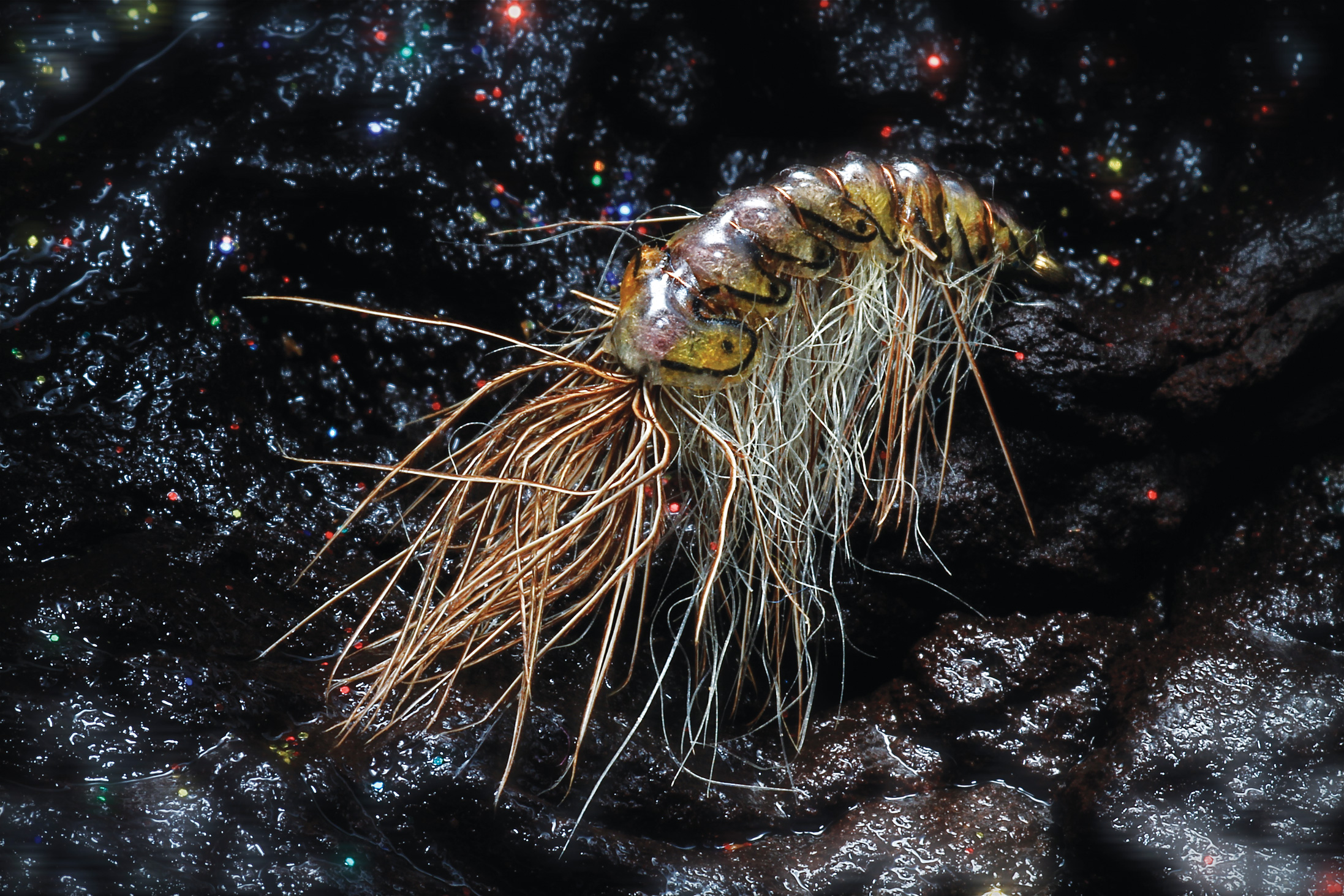
This scud imitation might become one of the most important patterns in your fly box.
[by Barry Clarke]
THE GAMMARUS IS ONE OF THE MOST FAMILIAR and readily available amphipods on the fishes’ menu. Anglers usually refer to Gammarus as scuds. They are found in large numbers in both fresh and salt water. A Gammarus has a laterally compressed body, and is usually seen crawling or jumping about on its side.

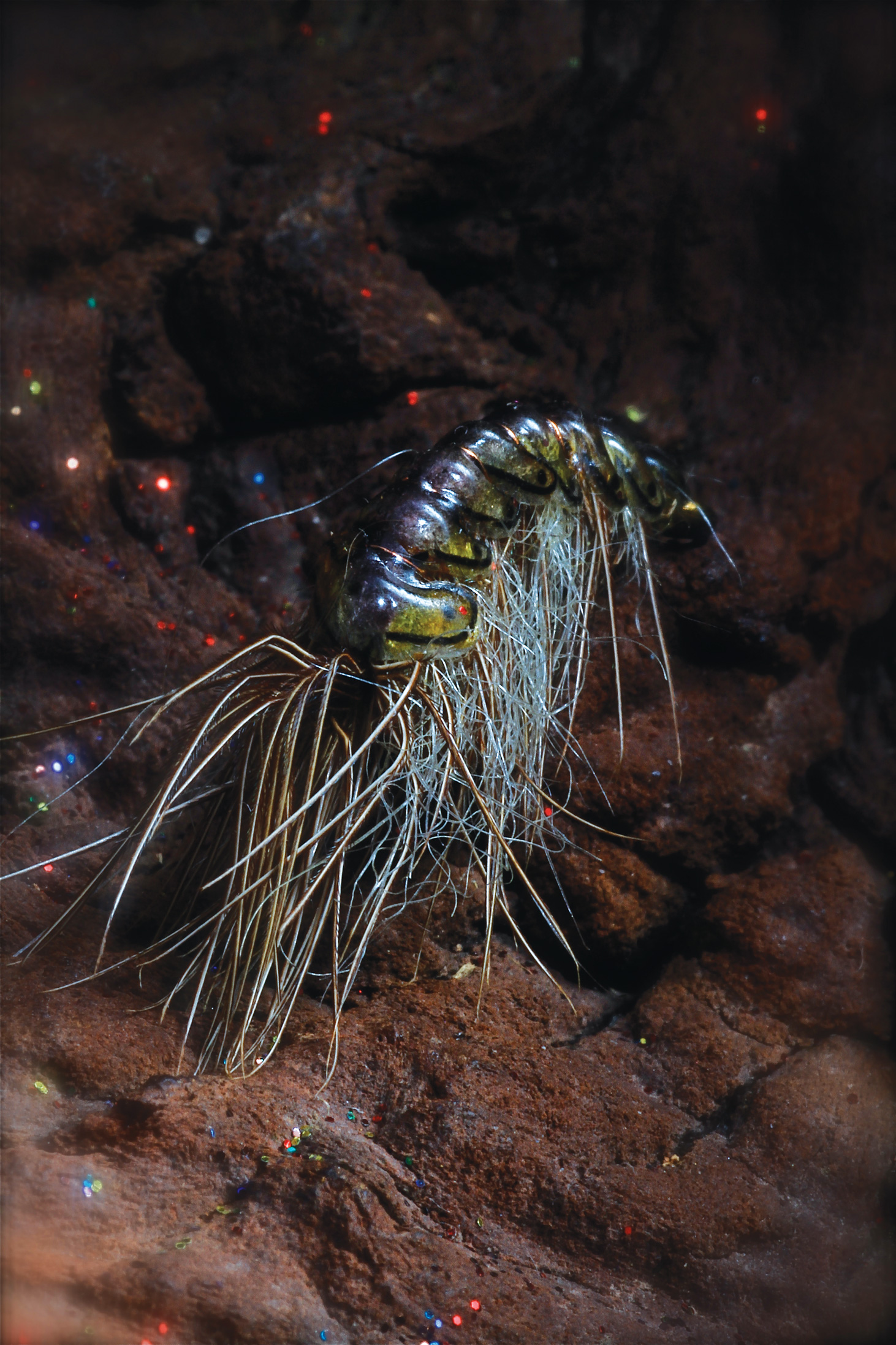
Although this fly has produced at least 4 of my 10 best sea trout, very few fishermen have faith in this pattern. It’s happened many times: an angler a little farther along the coast watches as I land a sea trout, and he wanders over and asks what fly I caught it on. When I show him the size 12 Foil Gammarus, he thinks I am trying to conceal the real pattern I was using. To convince him, I remove a blue Wheatley fly box from my jacket pocket that contains nothing but this pattern tied in five colors and three sizes. I would not go fishing for sea trout without this fly, and it is equally at home on waters containing freshwater scuds. This pattern has worldwide application.
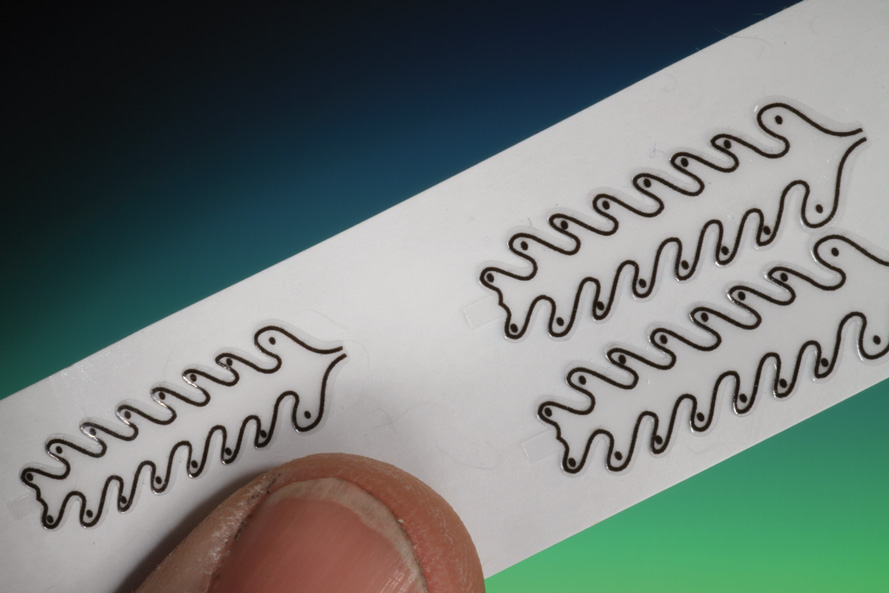
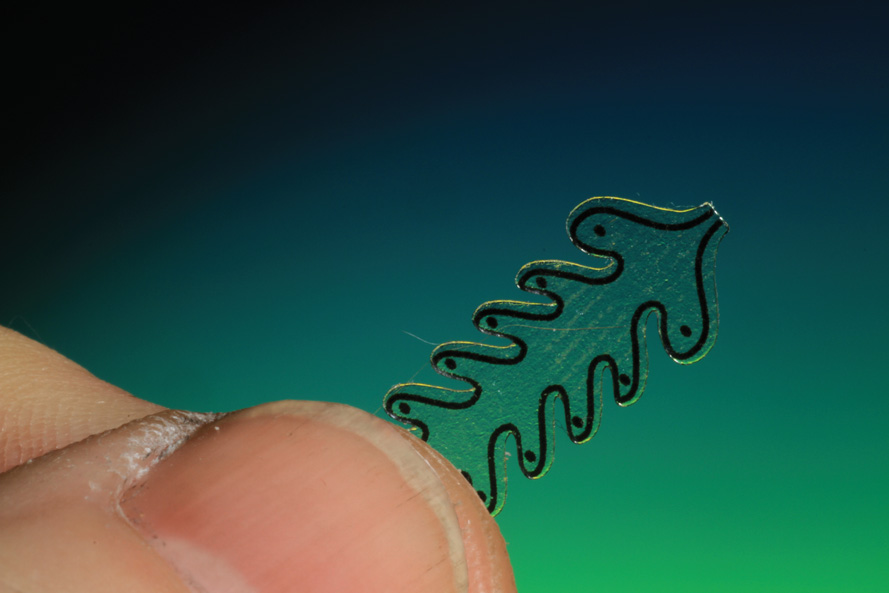
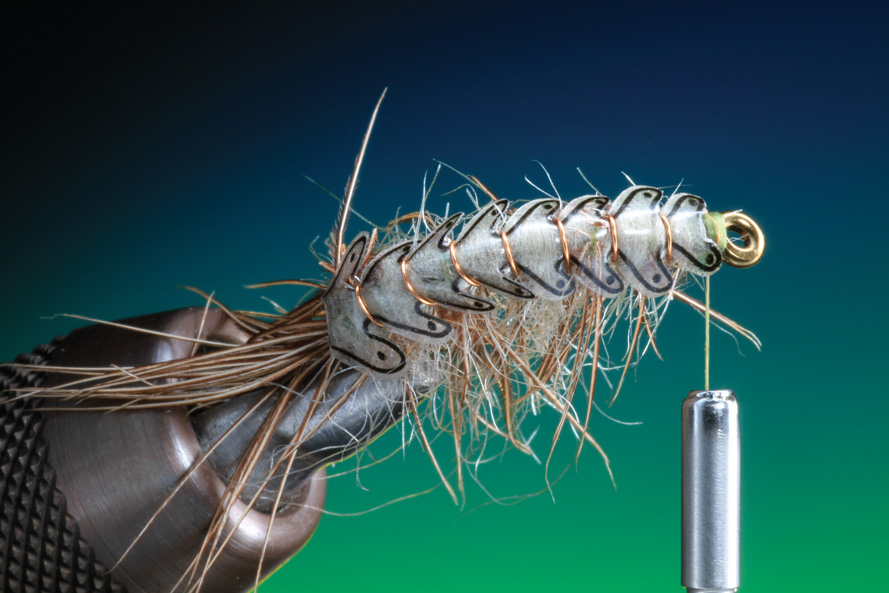
A few weeks ago, The Fly People, a fly tying company in Germany, sent a product called Shrimp Foils for me to test. Shrimps Foils are designed to create shell backs on shrimp imitations. After playing around with the foils, I reversed one of them and tied this Gammarus imitation. When Lutz, from The Fly People, saw my new fly, he asked what I would do to change Shrimp Foils into Gammarus Foils? I went straight to the drawing board and made a sketch. A short time later, The Fly People sent the first prototypes of the new Gammarus Foils.
If you don’t live in Germany and your local fly shop does not stock The Fly People’s products, you can still tie this pattern. I am including instructions for making the shell back using hobby shaping scissors and plastic from a hook box or fly tying–materials packet. You may also use Scud Back or a strip clipped from Thin Skin; you’ll find both these materials in your neighborhood fly shop. Follow all the other tying steps and you’ll create a very nice fly.

Tying and Fishing Tips
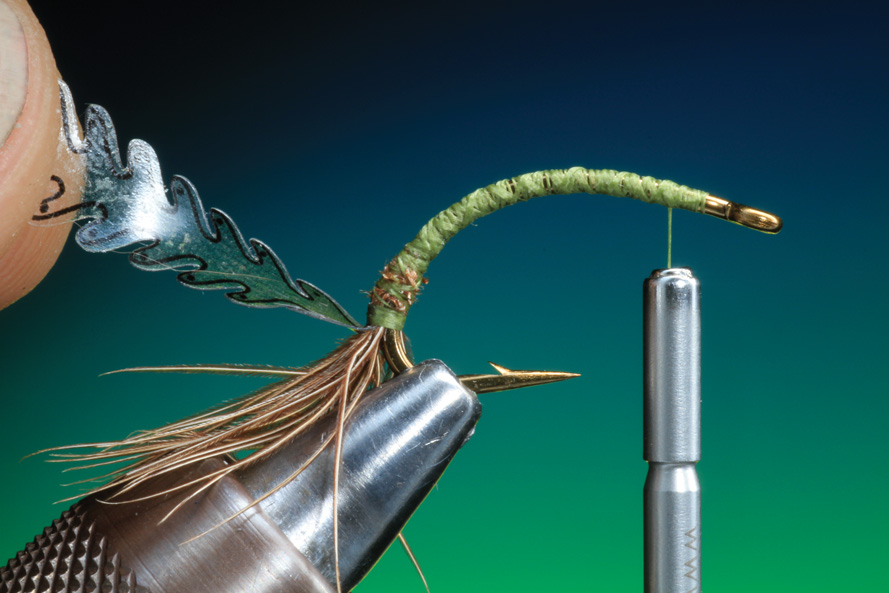
Although they are intended for creating shrimp imitations, Shrimp Foils make very realistic shell backs for scud patterns, or you can use the new Gammarus Foils for the shell backs. If you use Gammarus Foils, you must be careful because the material is a little brittle. When coated with Bug Bond, Tuffleye, Clear Cure Goo, or a similar light-cured resin, Gammarus Foils become much stronger. If you wish, you may color the foil or plastic shell backs with a permanent marker and then apply a coat of resin. You can also alter the color of the shell by adjusting the color of dubbing used for tying the body of the fly.
Tie the Foil Gammarus without weight for fishing tidal pools and shallow bays, or add one or two lead strips under the hook shank to fish it deep. Orange, pink, olive, white, and gray are the most successful colors. I use two types of retrieves when fishing this pattern: a figure-eight hand twist and a slow, short pull. It couldn’t be simpler!
Making a Fancy Shell back
North American fly tiers might have difficulty finding Gammarus Foils. The simplest solution is to substitute a piece of Scud Back or a thin strip clipped from Thin Skin or a plastic freezer bag. If you’d like to make something a little fancier, here’s the technique I used for years before Gammarus Foils. First, you’ll need wavy-edged scissors sold at many hobby and crafts stores.

Barry Clarke is a professional photographer and amazing fly designer. Barry lives in Norway.
FOIL GAMMARUS
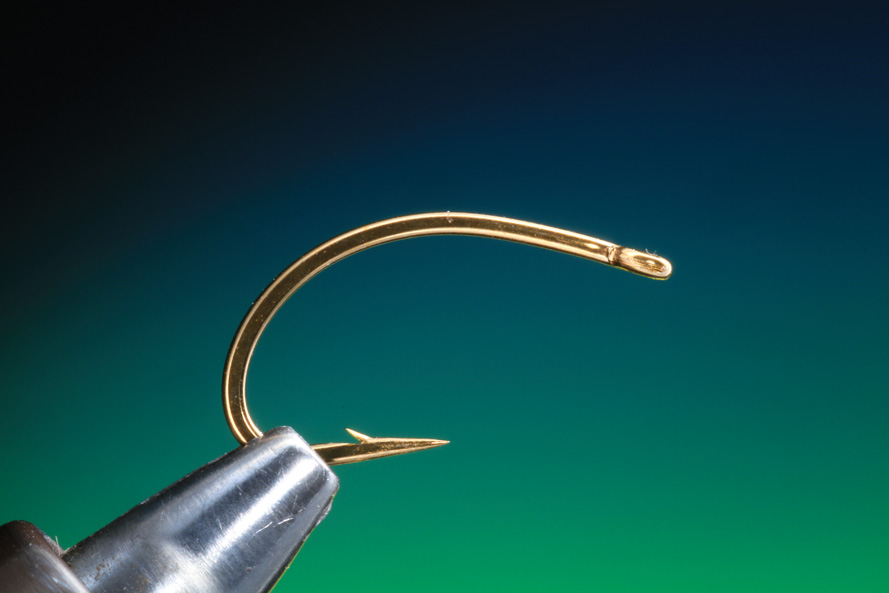
Hook: Mustad C67SNP-BR, size 12.
Thread: Olive 6/0 (140 denier).
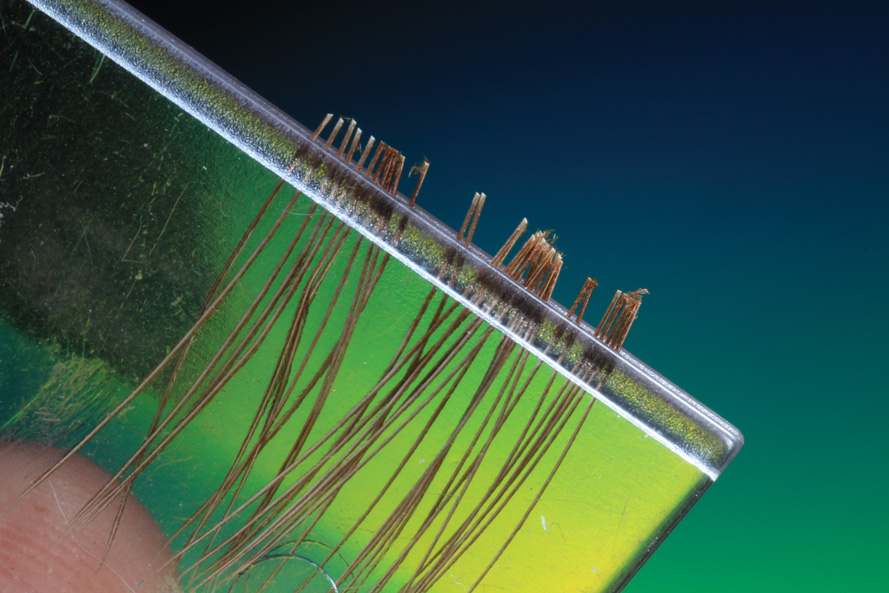
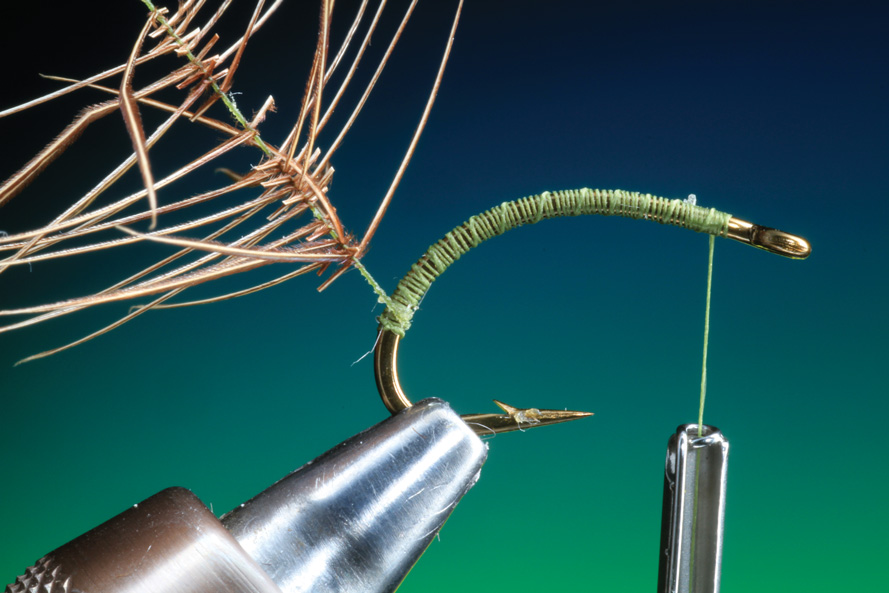
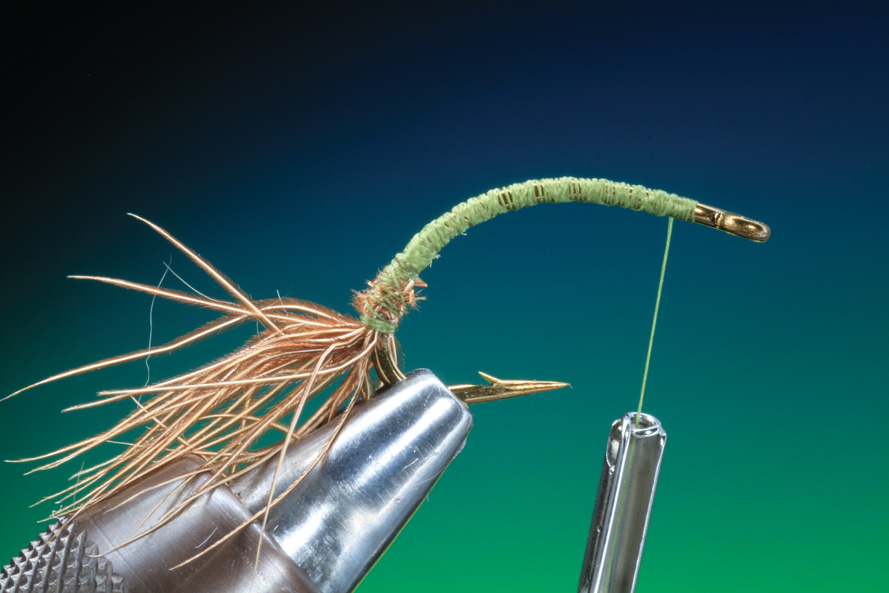
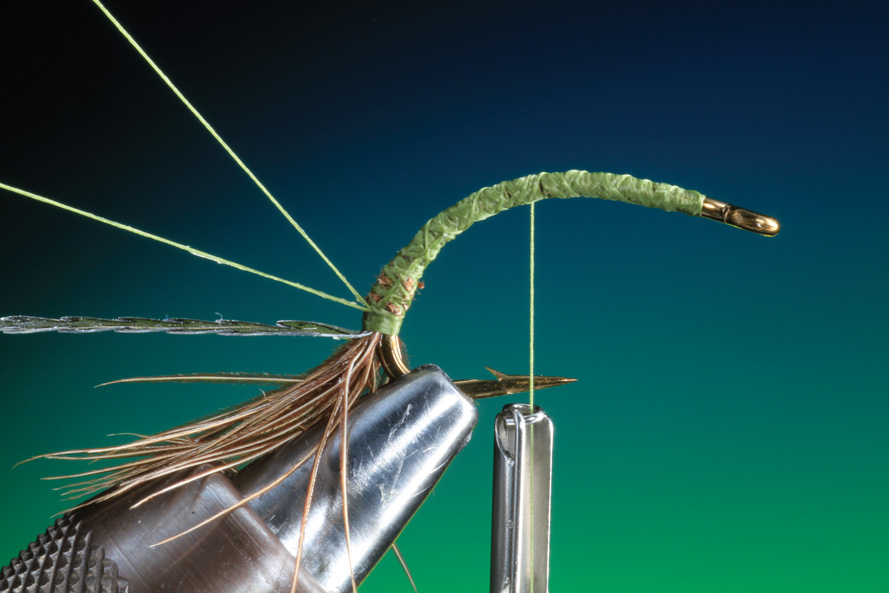
Feelers: Pheasant tail fibers.
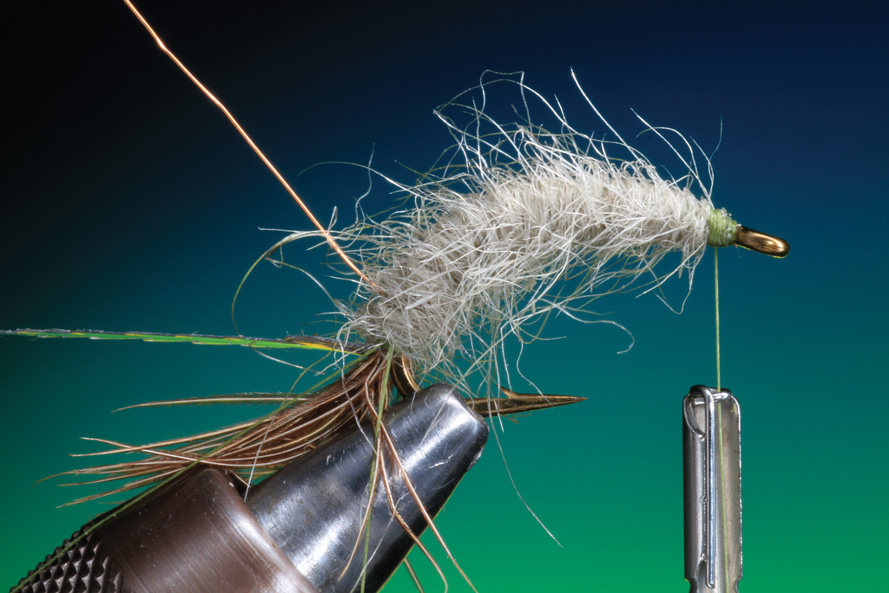
Body: Shaggy nymph dubbing.
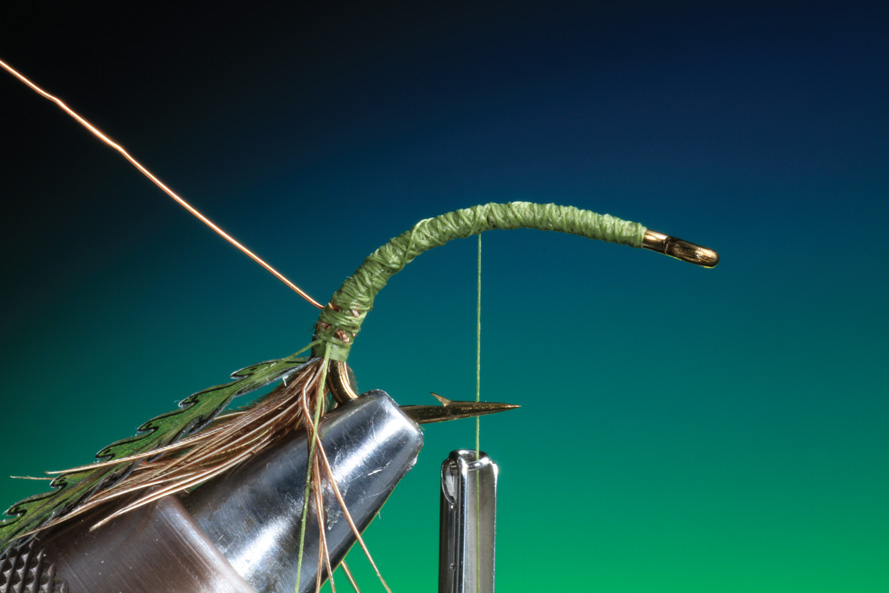
Rib: Fine copper wire.
Shell back: Gammarus Foil, a piece of Scud Back, a strip of Thin Skin, or a piece of shaped plastic.
Shell back coating: Bug Bond, Tuffleye, or Clear Cure Goo.
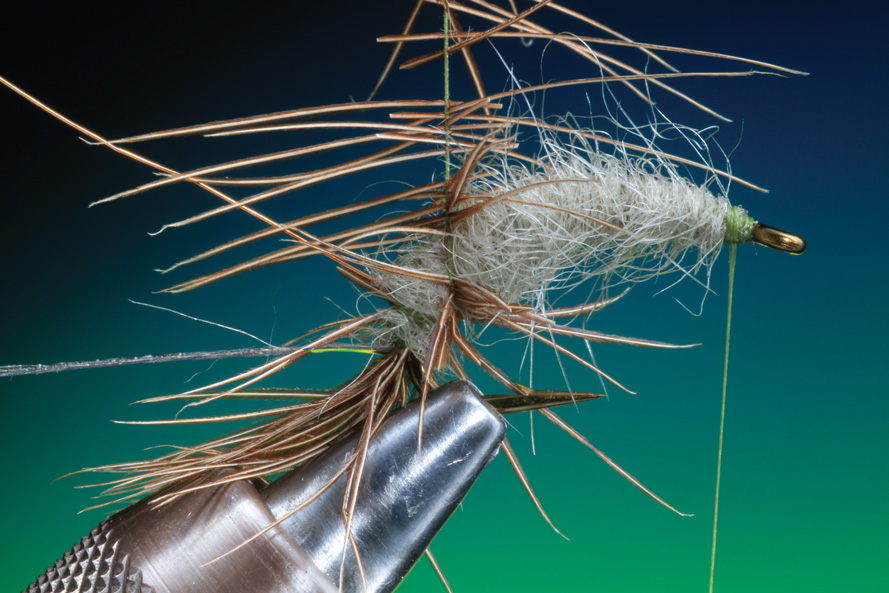
Legs: Pheasant tail fibers.
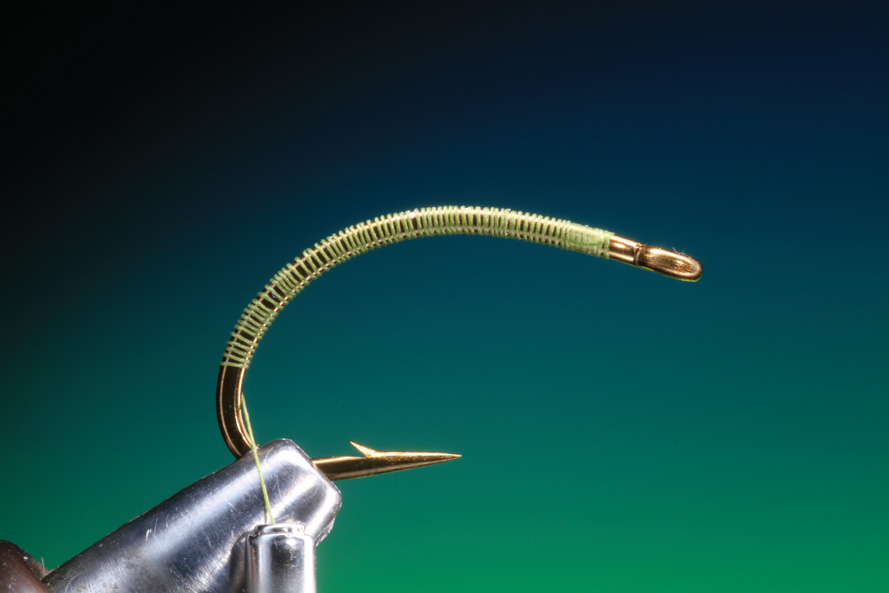
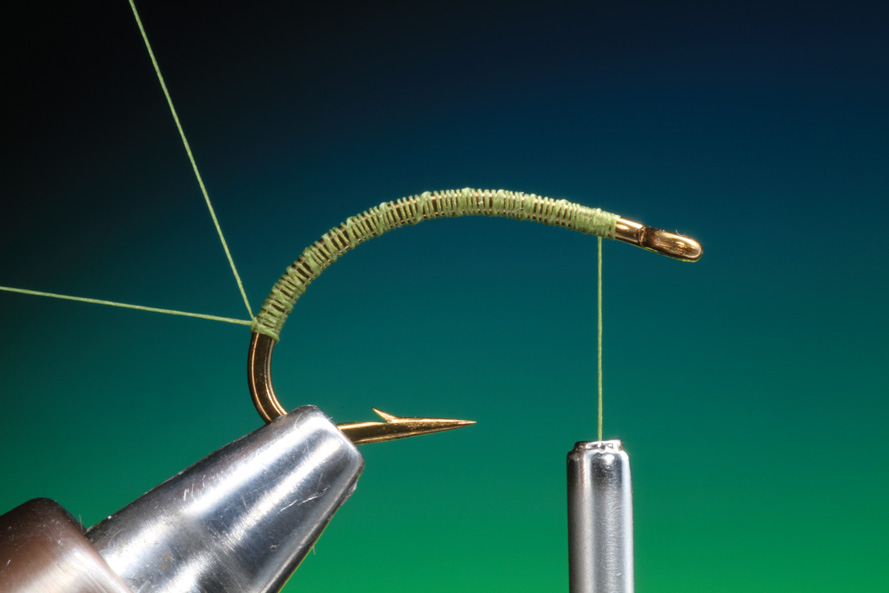
Tying the Foil Gammarus




Here’s a cool underwater video that will help you better understand how scuds move underwater.