Tying a Better Parachute Wing
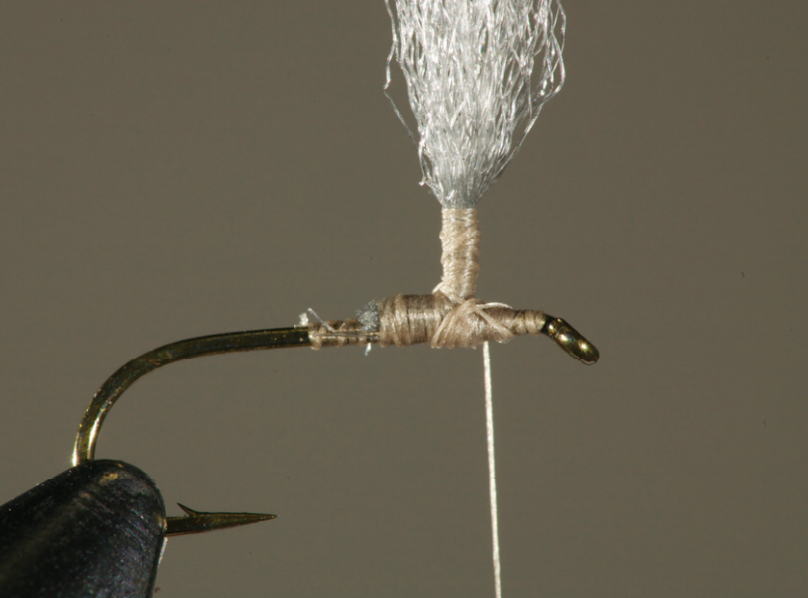
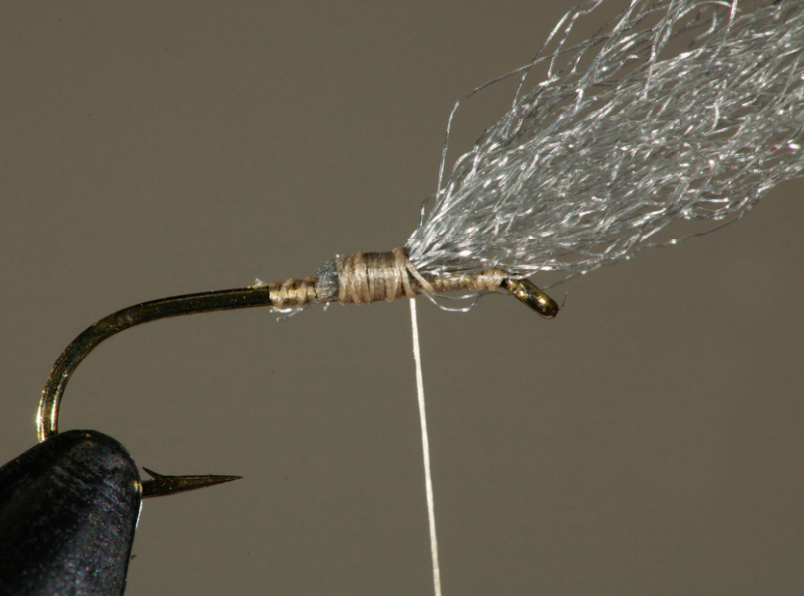
As you will see in the photos, this technique requires lashing the wing to the hook with several tight wraps of thread behind the tie-in point. This ensures that the bulkier wing stays in position. A wing assembly that comes loose while fishing produces a “one-fish fly” and is of little value. Spend a little extra time and tying thread to ensure the wing stays in place.
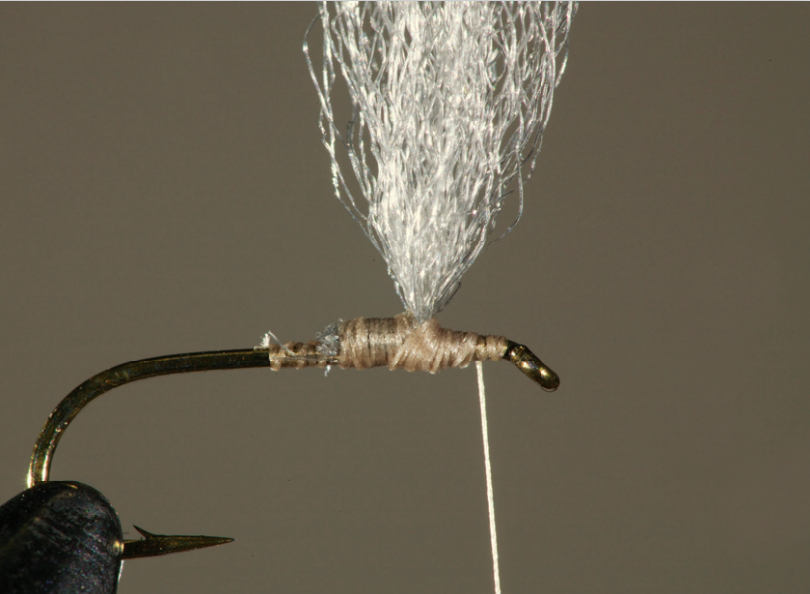
Step 1 – Place the hook in the vise, and wrap a layer of thread on the front half of the shank. Leave the thread hanging below where you will mount the wing. Clip even the ragged end of a bunch of wing material. Hold the material on the top of the hook with the trimmed end extending over the eye. Pinch the material to the top of the shank. Wrap a small loop of thread over the top of the wing material. Next, pull the thread straight down to secure the material to the top of the hook. Continue holding the wing in place, and make several thread wraps toward the base of the material. Clip the excess material behind the tie-in spot, and move the thread in front of the wing.
Step 2 – Pull the wing up and back. Wrap a dam of thread in front of the wing. The dam should be as tall as the wrapped thread behind the wing.
Step 3 – Starting at the base of the wing, tightly wrap a post of thread up the material. Often the post will lean forward during construction. If this happens, place the thread near the top of the post, and stretch the post toward the rear until the wing is upright. Next, wrap the thread down and behind the wing, and then around the hook. This simple maneuver will hold the wing post upright. The thread post around the base of the wing will act as a platform for wrapping the hackle. Now you may complete the pattern as if you were tying a parachute dry fly with wings made using some natural ingredient. Clip the wing to length after completing the fly.