approximately two feet up from the fly. A good deal of strikes come at the end of the drift while the fly is swinging up, so I often stand a bit upstream of the seam I am working and let the fly swing through the lane.

Bunny Bugger
Hook: Montana Fly 7008, sizes 8 to 2.
Thread: Orange 6/0 (140 denier) or UTC 140.
Head: Black nickel/blue Sparkle Eyes, size to fit the hook.
Abdomen: Olive holographic Cactus Chenille.
Rib: Copper brown Ultra Wire.
Bunny strip: Barred olive.
Collar 1: Olive/brown rubber hackle.
Collar 2: Red UV Ice Dub.
I like flies such as the Cookie Monster, Carrot Top, and Lady Finger because they combine the methods of nymph fishing and swinging. I leave the hackle longer on the Lady Finger than on the other patterns so it is more tailored to swinging the fly in addition to bouncing along the bottom; no real modification is needed other than leaving the skirting longer, which you can always trim streamside. During the winter months and early spring, using smaller nymphs can mean the difference between success and failure. The Superman is my favorite nymph for catching a variety of species of fish, and during this time of the year, a size 14 or 12 is an absolute crusher.
There are hundreds if not thousands of effective steelhead streamers, and I have a couple that work especially well for me. You can throw streamers all season long, but I think the best time for targeting the post-spawn fish is before they leave the river in the spring. The Green Death on Steroids is an articulated streamer with good action, and the color scheme seems to elicit strikes on days when the fish are not very lively. Anglers that like to swing streamers will attest to the fact that there is nothing quite like the bang you’ll feel on the end of your line when a steelhead strikes a streamer.
You do not need a Spey or switch rod to effectively swing flies. The great Lee Wulff swung wet flies and streamers using a 7½-foot-long fiberglass rod, so don’t worry if all you have is a 9- or 10-foot rod; you’ll do just fine.

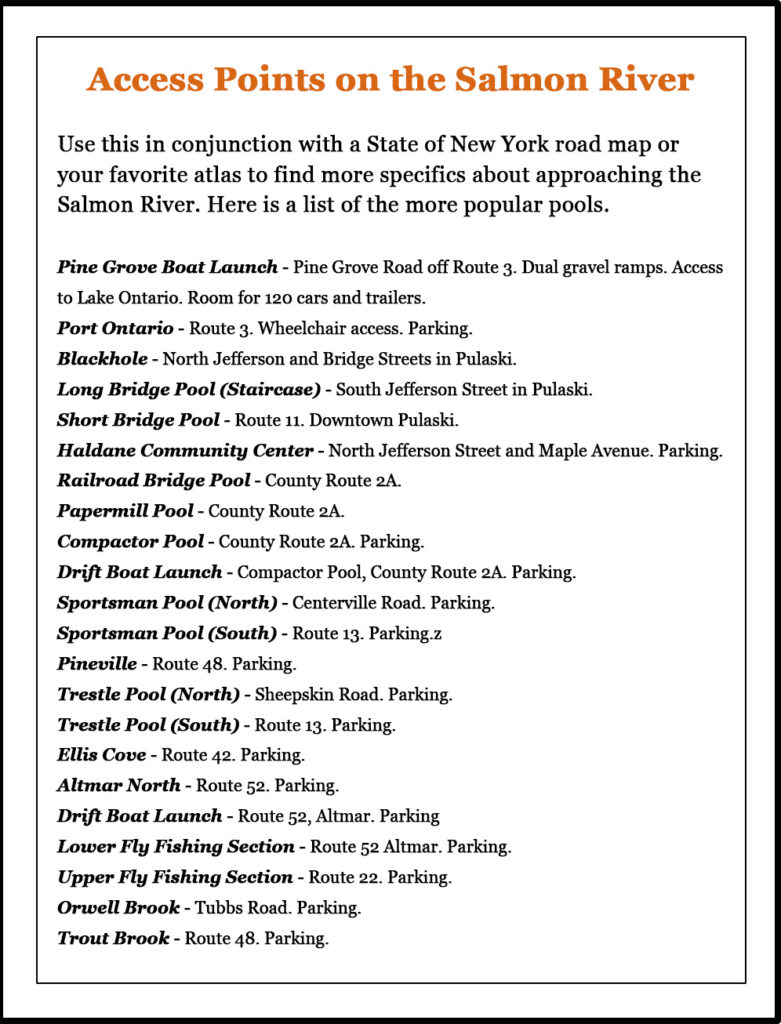 Where to Fish

The Salmon River has many good access points from the dam above Altmar down to the Douglaston Salmon River area, which is a pay-to-fish section. It is worth paying the fee to fish the Douglaston Salmon River area when the runs are fresh, and the fee does keep the crowds at bay. Also, if you want to get away from the crowds, I highly recommend fishing some of the secondary water. This water generally holds less fish but you will see fewer people, and it is not uncommon to have a lengthy stretch of river to yourself.
Taking a float trip down the river is another way to avoid some of the crowds. The stretch of river from Altmar to Pineville sees the most pressure from guides and drift boats, but it is floatable at low levels. Use caution if you have never floated the Salmon River; the river is actually quite small, and inexperienced oarsmen might have difficulty maneuvering around the crowds of anglers.
I highly recommend hiring a guide service if you are going to float the river. Of course, I do run an outfitter business, but I honestly believe hiring the right guide can make an otherwise frustrating day turn out excellent, and there are many fine guides who can show you where and how to fish the Salmon River.
These fish are very exciting, and snapping a picture is great, but please don’t remove the fish from the water until the cameraman is ready, and get it back in the water as quickly as possible. Try tightening your drag to reduce the amount of time you fight the fish; this precaution will improve survival rates and you’ll be less likely to encounter tangles with other anglers’ lines. You might break off a few more fish, but it’s always the ones that get away that keep you coming back.
Vince Wilcox is a regular contributor to our magazine. He is also the author of a great book titled Vince Wilcox’s Naturally Artificial Signature Flies (Lyons Press). For more information about Vince, his fly shop in the Adirondack Mountains, and much more, go to www.wileysflies.com.
Fly Box
Photography by Vince Wilcox

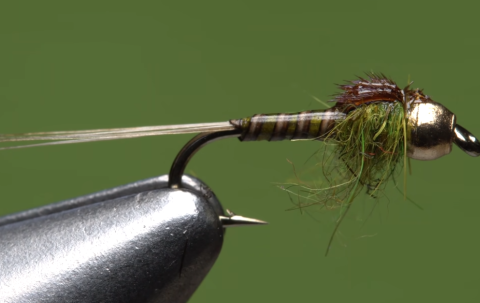
Superman
Hook: Mustad C67S, size 12 or 10.
Head: Gunmetal brass or tungsten bead.
Thread: Black 8/0 (70 denier).
Abdomen: Blue Ultra Wire.
Cape/wing case: Fuchsia holographic tinsel.
Thorax: Gray UV Ice Dub.
Legs/arms: Blue Midge Tubing.
Collar: Black UV Ice Dub.

Mart’s Big Eye—Chartreuse
(Orange is also an effective color)
Hook: Daiichi 2421, 8.
Thread: Chartreuse UTC 140.
Eyes: Extra-large chartreuse bead chain.
Abdomen: Pearl holographic tinsel.
Legs: Chartreuse speckled Centipede Legs.
Thorax: Olive brown Ice Dub.
Collar: Oversized soft hackle or schlappen.

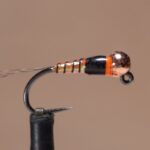
Lady Finger
Hook: Mustad C67S, sizes 12 to 8.
Thread: Hot orange UTC 70.
Head: Orange Plummeting Tungsten Beads.
Abdomen: Fluorescent orange Pseudo Hackle.
Thorax: Callibaetis UV Ice Dub.

Green Death on Steroids
Front hook: Daiichi 1650, size 8.
Stinger hook: Daiichi 1650, size 6.
Thread: Fluorescent red UTC 140.
Eyes: Brass eyes.
Tail: Fluorescent chartreuse micro rabbit strip.
Abdomen: Fluorescent chartreuse crosscut rabbit strip.
Thorax: Fluorescent red Ultra Chenille.

Karnop’s Freestone
Hook: MFC 7073, sizes 10 or 8 to 10.
Thread: Brown 8/0 (140 denier).
Eyes: Brass lead eyes.
Antennae: Brown round rubber legs.
Tail: Brown round rubber legs.
Rib: Brown D-Rib.
Abdomen: Rusty brown Ice Dub.
Wing case: Brown Dura Skin.
Collar: Partridge hackle.
Thorax: Natural rabbit dubbing.

Quigley’s Dragon Gurgler
Front hook: Daiichi JSH, size 9.
Stinger hook: Daiichi 2557, size 6.
Thread: Black 6/0 (140 denier).
Tail: Red fox tail.
Abdomen: Spun deer hair.
Legs: Moose body fibers.
Overbody: 2-millimeter-thick tan foam.
Post: White calftail